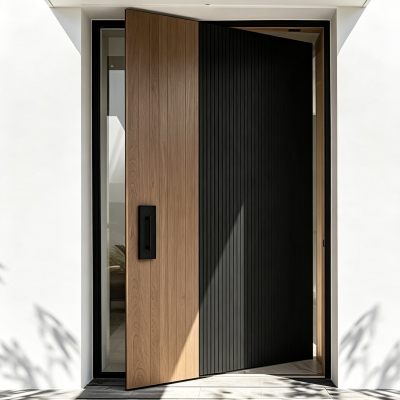
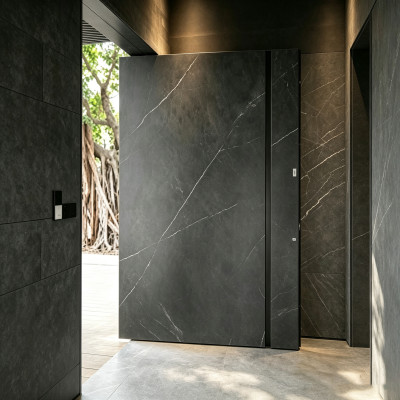
How to Choose an Aluminum Entry Door for Coastal Homes
Buyer Guides · Coastal Entry Door Series
How to Choose an Aluminum Entry Door for Coastal Homes
Coastal homes fight a war of attrition that inland homes never experience. Salt-laden sea air corrodes steel within months, humidity swells wood, and hurricane-season winds can turn an ordinary front door into a projectile launcher. The right aluminum entry door survives all three — but only if it is specified correctly. Most door failures in seaside towns are not material failures; they are specification failures: marine-grade finishes where budget-grade paint should have been, 304 stainless where 316 is required, and wind-load ratings chosen from a brochure instead of from the building code. This guide walks through every decision that actually determines whether your door lasts five years or fifty.
Quick answer: Choose an aluminum entry door with a marine-grade finish (PVDF/Kynar powder coat or heavy-duty anodizing to AAMA 2605/AA class standards), 316 stainless-steel hardware throughout, impact-rated laminated glazing if you live in a hurricane zone, and a wind-load rating that matches or exceeds your local design pressure (ASCE 7 and, in Florida, the Florida Building Code). Add a thermal break for energy efficiency, and budget for the same monthly rinse routine a boat owner already knows. Aluminum is the only mainstream door material that resists salt corrosion and rot by nature — the rest of the choice is about protecting that advantage.
Why Aluminum Is the Best Door Material for Coastal Areas

Every coastal homeowner eventually learns the same lesson: the front door is the most abused building element on the property. It faces the sea wind directly, collects salt spray on every surface, and takes the brunt of storms. Compare the four main entry door materials honestly and the answer becomes obvious.
Steel doors rust. A galvanized steel door is fine inland, but coastal salt air attacks the zinc coating and then the steel beneath it. The classic failure looks like rust bubbles at the bottom edge within three to five years, spreading to the corners and along the seams. Repainting a rusted steel door is a losing battle — the corrosion keeps working under the new paint. Some manufacturers add marine-grade galvanizing, but even then the door's cut edges and hardware penetrations remain weak points.
Wood doors rot and cup. Solid wood and wood-clad doors absorb humidity, and in coastal climates they do it constantly. The result is the familiar sequence: the door swells and sticks in summer, shrinks and gaps in winter, the bottom rail cups, and the finish fails at the joints where water collects. Even marine-grade teak requires a maintenance schedule that most homeowners abandon by year two. Rot, not impact, is what kills wood doors at the beach.
Fiberglass doors are good but limited. Fiberglass composite genuinely resists salt and rot, and it is a legitimate choice. The honest trade-offs: fiberglass doors are usually made from a foam core that performs poorly in hurricane tests without heavy reinforcement, the surface is limited in color and finish options compared to coated aluminum, and they are significantly heavier than aluminum equivalents — which matters when the door must carry impact glass. Fiberglass is a reasonable fallback, but it gives up the two things aluminum does best: high strength-to-weight ratio and a finish that can be engineered for decades of salt exposure.
Aluminum offers natural corrosion resistance plus engineered protection. The aluminum oxide layer that forms instantly on the surface is self-healing and chemically stable — this is why aluminum does not rust. But bare aluminum in salt air will still pit and oxidize cosmetically over time, which is why the finish choice (covered below) is what turns a good material into a great door. Add aluminum's strength: an aluminum door frame can be extruded with deep profiles, thick walls, and integrated reinforcement that carries hurricane-rated glass without flexing. That is the combination no other material matches at the beach.
| Material | Salt-air corrosion | Hurricane wind resistance | Maintenance load | Coastal verdict |
|---|---|---|---|---|
| Aluminum (coated/anodized) | Excellent — self-healing oxide + protective finish | Excellent — strong, stiff extrusions carry impact glass | Low — periodic rinse and hardware check | Best all-round choice |
| Steel | Poor — rusts within years without heavy galvanizing | Good — strong but heavy | High — repeated repainting against rust | Not recommended near salt water |
| Wood / wood-clad | Fair to poor — rot at joints and bottom rail | Weak — splinters and fails in storm debris | Very high — annual refinishing | Only with marine-grade wood and discipline |
| Fiberglass | Good — composite resists salt | Fair — foam cores need reinforcement | Low | Acceptable fallback |
The honest nuance: aluminum's advantage only materializes when the finish and hardware are specified for the environment. A cheap aluminum door with polyester paint and zinc-plated screws will disappoint at the beach just like anything else. The material is the right foundation; the rest of this guide builds the correct specification on top of it.
Essential Features for Coastal Aluminum Doors
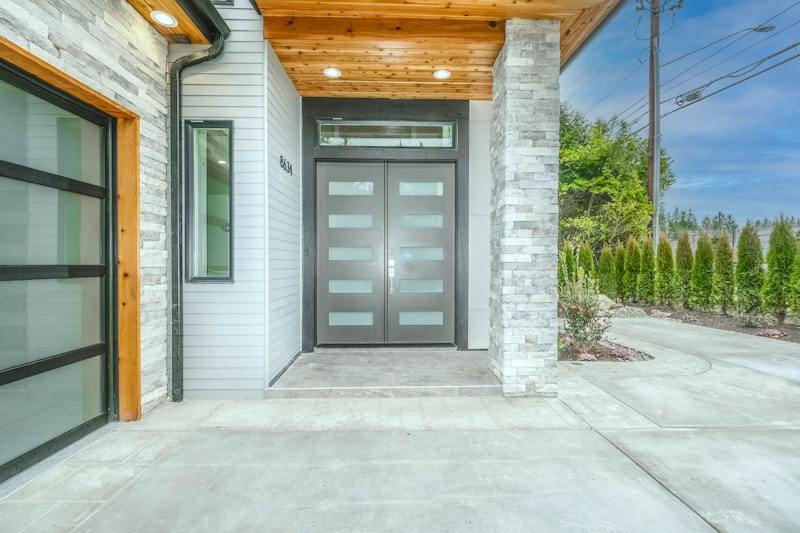
Once you have committed to aluminum, the specification splits into a handful of features that separate a coastal door from an ordinary door. Buyers who understand these five items can read any quote sheet and spot where corners were cut.
The five coastal-critical features
- Marine-grade finish system: the complete coating stack — pretreatment (chromate or phosphate), primer, and topcoat — engineered for salt exposure. This is the single biggest determinant of door lifespan at the beach.
- 316 stainless-steel hardware: hinges, lock cases, handles, screws, and pivot pins must be 316 grade (or 316L). 304 stainless corrodes in marine salt air; 316 adds molybdenum for chloride resistance. Zinc, brass, or "stainless-look" hardware is a coastal disaster waiting to happen.
- Thermal break: a polyamide (nylon) strip separating the interior and exterior aluminum extrusions. Without it, aluminum's excellent conductivity turns the door into a heat bridge, driving condensation and energy loss — a constant humidity problem in coastal climates.
- Impact-rated glazing option: laminated glass with an interlayer (PVB or SGP) that holds the pane together when struck, certified to the hurricane impact standards relevant to your region (ASTM E1886/E1996 in the US, TAS 201/202/203 in Florida).
- Sealed frame-to-wall interface: the door frame must sit on a proper sill pan with drainage weeps, and the perimeter must be sealed with marine-grade sealant, not ordinary caulk. Most coastal water damage enters at the threshold, not through the door itself.
Think of these as non-negotiable if the door faces open water within roughly two kilometers of salt spray — which in practice means almost any coastal community. If a manufacturer quotes a door without stating the finish standard, the hardware grade, and the glazing certification, ask for the specification in writing before comparing prices. A door is a 20-to-50-year purchase; the difference between the right and wrong specification is measured in decades, not dollars.
Landran Door's coastal line specifies exactly this stack on every door: Kynar 500 (PVDF) coating to AAMA 2605, 316-grade hardware as standard, polyamide thermal break profiles, and impact glazing certified to ASTM E1886/E1996 for customers in hurricane zones — so the spec sheet answers the hard questions before you have to ask them.
Impact-Rated Glass: Do You Need It?
The short answer: if your municipality is in a hurricane zone, impact-rated glass is not optional — it is code. The Florida Building Code, for instance, requires exterior doors and windows in High Velocity Hurricane Zones (HVHZ, the coastal counties) to pass missile-impact testing. Coastal Texas, Louisiana, Mississippi, and the Carolinas have adopted similar wind-borne debris provisions through the IBC/IRC with ASCE 7 wind load maps. If you live in one of these areas, the door you install must carry the certification; local inspection will require it.
But even where code does not force the issue, impact glass is the single best upgrade a coastal door can carry. The physics is simple: during a hurricane, wind-borne debris turns every un-protected opening into a breach. The moment a window or door lite breaks, pressurization enters the house — wind rushing in through the opening can literally lift the roof off the structure. Impact-rated laminated glass keeps the opening sealed even when hit, because the interlayer holds the shattered pane in place. This is not about the door surviving; it is about the whole house surviving.
How impact glazing is actually tested
- Large missile test (ASTM E1996 / TAS 201): a 9-foot, 2x4 timber is fired at the glass at up to 50 feet per second (approximately 55 km/h), simulating roof debris in high winds. The pane must not create an opening that allows a 3-inch probe to pass.
- Small missile test (TAS 202): metal balls are fired at high speed to simulate gravel and roofing granules.
- Cyclic pressure test (TAS 203 / ASTM E1886): after impact, the assembly is subjected to thousands of pressure cycles simulating hurricane gusts. The frame must stay intact and weather-sealed.
The honest cost perspective: impact-rated laminated glass adds meaningfully to the door price — roughly 30 to 60 percent over standard insulated glazing, depending on interlayer thickness and certification. But compare that to the alternatives: plywood boarding before every storm, insurance premium increases (many coastal insurers discount impact-rated openings), or the catastrophic alternative of a breached envelope during a major event. For the coastal homeowner, it is the rare upgrade that pays for itself in peace of mind and storm-readiness even in a season with no landfall.
The threshold question: if you are within the hurricane wind-borne debris region shown on the ASCE 7 maps, treat impact glazing as mandatory, not optional. If you are outside that region but within reach of coastal storms, weigh the 30-60% glazing premium against the cost of boarding windows for 20 years — most buyers choose the glass. Ask for the door's specific test report (which TAS/ASTM standard, which missile level) rather than a vague "hurricane rated" claim, because the certification level is what the building inspector will check.
Powder Coat vs Anodized: Which Finish Survives Salt Air?
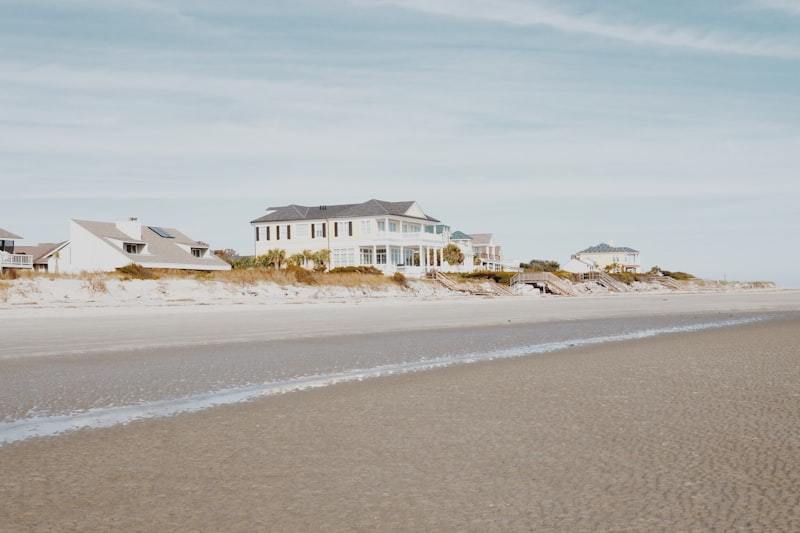
This is the decision most coastal buyers get wrong, because both options look fine in the showroom. In salt air, they age very differently. The two credible finish families for coastal aluminum doors are PVDF/Kynar powder coating and architectural anodizing — and within each, the grade matters far more than the family.
PVDF/Kynar powder coat. Polyvinylidene fluoride resin content (the "Kynar 500" brand is the best known) is the gold standard for exterior architectural metal. The coating is applied in a factory-controlled multi-coat process: pretreatment, primer, and color coat with a high PVDF resin percentage, then baked. Its coastal advantage is chemical inertness — PVDF simply does not react with salt, UV, or pollution the way polyester and urethane paints do. The specification to look for is AAMA 2605: the highest architectural coating standard, validated by a 4,000-hour salt-spray test (ASTM B117), 10-year Florida and Arizona outdoor exposure, and 10,000-hour accelerated weathering. Coatings certified to AAMA 2603 (the entry level) will chalk, fade, and lose adhesion years sooner in the same environment.
Architectural anodizing. Anodizing grows the aluminum's own oxide into a thick, hard, porous layer that is then sealed — the color is integral to the metal, so it cannot peel or chip like paint. Class 1 architectural anodizing (AA-M10C22A41, roughly 22 microns thick) is the coastal-relevant grade; Class 2 (18 microns or less) is thinner and less durable. Anodized finishes excel at resisting salt and never flake, but the honest limitations are color range (silvers, bronzes, and blacks — no bright colors) and sensitivity to alkaline cleaners, which can etch the oxide. A thick Class 1 anodize on a properly extruded alloy is a genuinely 30-year coastal finish.
| Property | PVDF/Kynar powder coat (AAMA 2605) | Class 1 anodizing (22 microns) |
|---|---|---|
| Salt-spray validation | 4,000 hours (ASTM B117) + 10-year outdoor exposure | Resistant by nature; tested per AAMA 611 |
| Color options | Full RAL range, bright and custom colors | Silvers, bronzes, blacks only |
| Peel / chip risk | Low when properly applied; coating is sacrificial | None — finish is the metal itself |
| UV / color fade | Excellent with 2605 resin; dark colors need high resin content | Integral color, no fade |
| Care sensitivity | Standard cleaning | Avoid alkaline cleaners; they etch oxide |
| Coastal verdict | Best for colored coastal doors | Best for silver/bronze timeless durability |
Both are legitimate, and the choice comes down to aesthetics and maintenance habits. If you want a colored door to match the coastal palette — whites, seafoam, deep navy, warm grays — PVDF/Kynar at AAMA 2605 is the correct specification. If you want a silver or bronze door that will look the same in 30 years with almost zero finish care, Class 1 anodize is the better buy. What you should never accept at the beach is a polyester or standard powder coat (AAMA 2603) advertised as "coastal-grade" — it will chalk within a few years and fail at the edges where salt collects. Landran Door offers both Kynar 500 (AAMA 2605) and Class 1 anodized finishes on its coastal range, with the AAMA spec stated on the order rather than hidden in fine print.
Hardware Selection: Stainless Steel Is Non-Negotiable
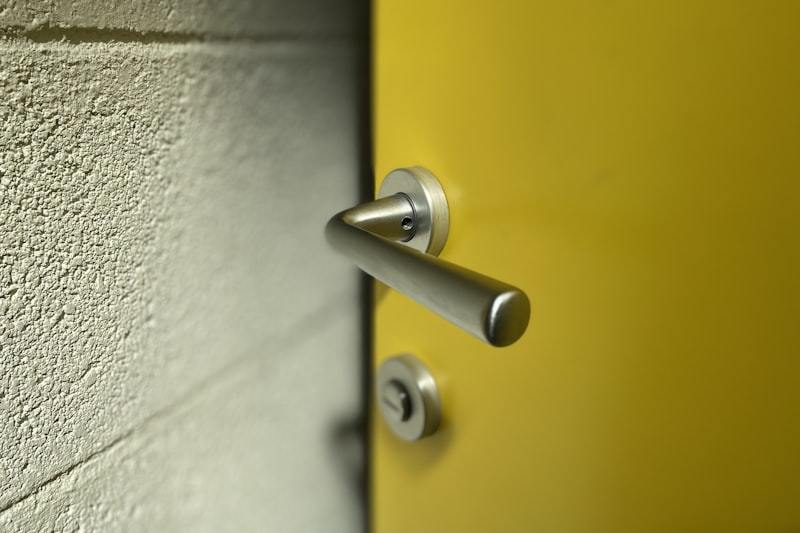
Salt air is brutally specific about metals. It attacks fasteners, hinges, lock cases, and strike plates long before it visibly affects the door skin — which is why hardware is where coastal doors quietly fail. The rule is simple to state and frequently violated: every metal component on the outside of the door, and ideally inside too, must be 316 stainless steel. Here is the material science behind the rule.
Why 316 and not 304? Both are "stainless," but they differ in one crucial element: molybdenum. Grade 316 contains 2-3 percent molybdenum, which dramatically improves resistance to pitting and crevice corrosion from chlorides — the exact chemistry of sea salt. Grade 304 has no molybdenum and is the standard stainless used in kitchens and inland construction; in marine air, 304 hardware develops the characteristic brown tea-staining and eventually pits. The difference is invisible in the showroom and decisive at the beach. Specify 316 (or 316L, the low-carbon variant) for hinges, levers, lock bodies, screws, and pivot pins — every fastener that touches the outside air.
Galvanic corrosion is the hidden killer. When two dissimilar metals touch in the presence of salt water (the electrolyte), the less noble metal corrodes rapidly. An aluminum door with zinc-plated steel screws, brass handles, or a copper strike plate sets up a galvanic cell that eats the aluminum around each contact point. The classic symptom: white oxide blooms and pitting on the door skin around the hardware. The fix is not just stainless hardware but a design that keeps metals compatible throughout — stainless steel paired with aluminum is a safe combination; brass or copper against aluminum is not. This is one of those failures that happens at the microscopic level and shows up years later as a door you cannot open without a fight.
The hardware checklist every coastal buyer should run
- Hinges: 316 stainless with sealed bearings or stainless pins. Ask specifically; "marine hinge" sometimes means a stainless-look coating over steel.
- Lock case and deadbolt: 316 stainless body with a corrosion-treated internal mechanism. The mechanism lives in a humid cavity; internal corrosion jams the lock.
- Fasteners: every exterior screw should be 316 or 304 with appropriate coating — never zinc-plated. Count the screws you cannot see: threshold fasteners, hinges, strike plates.
- Pivot pins (pivot doors): 316 stainless pins with marine-grade bushings — the pivot point carries the whole door weight and faces the worst of the salt spray.
- Threshold: aluminum with stainless adjustment screws and a weep system that drains water out — a sealed threshold traps salt water against the hardware.
The honest economics: 316 hardware costs more than 304, which costs more than zinc — but the delta is small relative to the door itself and the difference in lifespan is measured in decades. A 316 hinge assembly lasts the life of the door; a zinc hinge is a maintenance item you will replace every few years. Landran Door specifies 316 stainless on every coastal model and publishes the hardware grade on the technical data sheet, so the buyer can verify the promise instead of trusting the sales pitch.
Wind Load Rating: What Your Door Must Handle
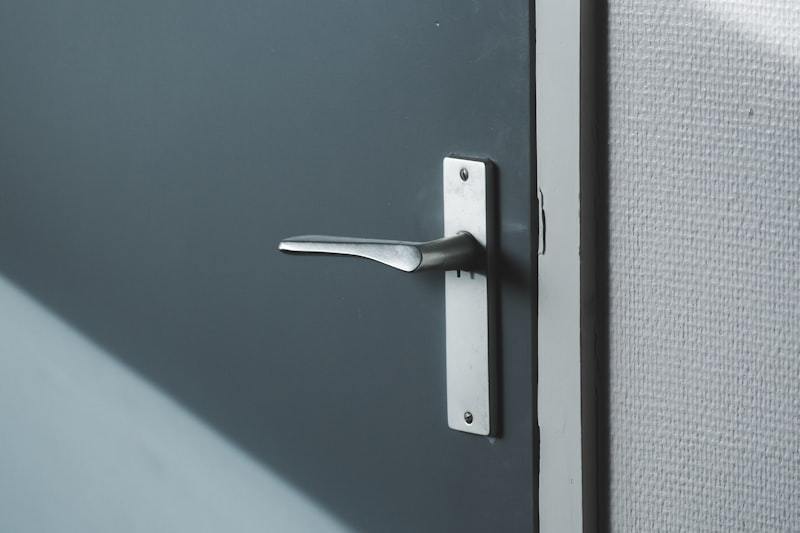
A coastal door has to do more than resist corrosion — it has to resist wind pressure that inland doors never see. The engineering language is design pressure (DP), expressed in pounds per square foot (psf), and it is determined by where you build, not by what you prefer. The governing document is ASCE 7 (Minimum Design Loads for Buildings and Other Structures), which publishes wind speed maps for the entire US; local codes then translate those speeds into the design pressures your exterior openings must survive.
How the rating works. When an engineer specifies, for example, "DP50," they mean the door assembly must withstand a design pressure of 50 psf in each direction (positive, pushing in; negative, pulling out) without structural failure or water intrusion. The rating is achieved through lab testing: the complete door — frame, glazing, hardware — is mounted in a test wall and subjected to the specified pressure, plus a deflection check and often cycling. Because the rating belongs to the whole assembly, you cannot combine an unrated frame with rated glass and call the result rated. The door must be tested and certified as one unit, which is exactly why the door, glazing, and hardware must come from a manufacturer that tests the complete product.
Why doors fail in wind. The most common failure is not the door skin; it is the interface. An under-specified frame flexes, the glazing bead pops, or the door bows enough to unseat the weatherstripping — and then water and wind enter. In a hurricane, a door that flexes open at the edges is a door that fails. Coastal codes therefore demand both the pressure rating and the water-penetration test; a door that passes structural pressure but leaks under wind-driven rain is still a failure in the real world.
Questions to ask about wind load
- What is my local design pressure? Your engineer or building department can give you the DP for your exact site; never guess from a neighbor's door.
- Is the rating for the complete assembly? Confirm the certification covers frame + glass + hardware together, and ask for the test report number.
- Does the door pass water penetration testing? A structural rating without a water test is a half-rating for coastal use.
- How is the frame anchored? The pressure rating assumes proper anchoring into the wall structure — the installation matters as much as the product.
The honest bottom line: wind-load rating is not a marketing feature to compare like a warranty; it is a safety requirement set by code for your specific location. Give the manufacturer your site's design pressure and ask whether the door is certified to it. If the answer is a vague "it's really strong," move on to a manufacturer that publishes test reports. Landran Door rates its coastal entry doors up to DP70+ with water-penetration testing included, and will match the door specification to the engineer's design pressure for your site — because the door is only as good as the number it is engineered to survive.
Maintenance Tips for Coastal Aluminum Doors
Here is the honest truth coastal manufacturers rarely advertise: even the best coastal door needs a small, regular maintenance routine. The good news is that the routine is dramatically lighter than what steel, wood, or fiberglass demand — a few minutes a month instead of a refinishing project every couple of years. The maintenance plan below is what keeps a properly specified aluminum door at the fifty-year end of its lifespan.
The monthly coastal door routine
- Rinse the door and frame with fresh water. Once a month, or after any storm that deposits salt spray, hose down the door, hardware, threshold, and frame. Salt accumulates invisibly; fresh water removes it before it concentrates. This single habit prevents most cosmetic pitting.
- Wipe hardware with a damp cloth. The 316 levers and hinges get a quick wipe to remove salt film. Avoid abrasive pads and chlorine-based cleaners; a mild detergent in water is all the hardware needs.
- Inspect seals and weatherstripping. Run a finger along the perimeter seals monthly and after storms. Replace worn or lifted weatherstripping promptly — a damaged seal lets salt-laden air and water reach the frame and hardware cavity.
The annual deep check
- Lubricate the lock mechanism. Once a year, apply a dry PTFE or silicone lubricant (never oil-based grease, which collects salt and grit) to the lock case, deadbolt, and hinge pins. This prevents the seasonal stiff-lock problem.
- Check and clean the threshold weeps. The drain holes in the threshold must stay clear so water can escape. A blocked weep traps water against the bottom seal — the classic cause of premature bottom-edge corrosion.
- Inspect fasteners. Verify hinge screws and strike plate screws are snug. A loose hinge pulls the door out of alignment and accelerates seal wear.
- Touch up small finish damage. If the coating gets a scratch from furniture or tools, seal it with a matching touch-up product so salt cannot reach the bare aluminum. Small chips become big corrosion sites if ignored.
- Review the hardware for tea-staining or pitting. Any visible staining on "stainless" hardware indicates the grade was not 316 — document it and contact the manufacturer. On a correctly specified door, this should never appear.
The honest framing: this is the same maintenance a boat owner already understands — rinse, inspect, lubricate, replace worn seals. It is modest, it is cheap, and it is the difference between a coastal door that looks new at year 20 and one that looks tired at year 5. Landran Door includes a written coastal maintenance card with every coastal delivery and backs its Kynar and anodized finishes with a published corrosion warranty — because a warranty is only meaningful when the maintenance that keeps it valid is simple enough to actually follow.
FAQ: Coastal Aluminum Entry Doors
Is aluminum really better than steel or wood for coastal homes?
Yes. Aluminum forms a self-healing oxide layer that does not rust, unlike steel, and does not absorb water or rot, unlike wood. In salt air, steel doors rust from the edges within a few years and wood doors rot at the bottom rail and joints, while a properly finished aluminum door can last decades. Fiberglass is a reasonable alternative, but aluminum offers superior strength-to-weight for carrying impact glass and more finish options engineered for salt exposure.
What is the best finish for an aluminum door in salt air?
For colored doors, PVDF/Kynar powder coating certified to AAMA 2605 is the coastal standard — it is validated by a 4,000-hour salt-spray test and 10-year outdoor exposure. For silver, bronze, or black doors, Class 1 architectural anodizing (roughly 22 microns) offers an integral, non-peeling finish that lasts decades. Avoid polyester or entry-level AAMA 2603 coatings at the beach; they chalk and fail far sooner.
Do I need impact-rated glass on my entry door?
If you are in a hurricane wind-borne debris region (much of the coastal US, as defined by ASCE 7 and the Florida Building Code), impact-rated laminated glass is a code requirement, not an option. Even outside those zones, impact glass keeps the door opening sealed during storms — a broken opening during a hurricane can pressurize the house and cause structural damage. Certification matters: ask for the specific test report (ASTM E1886/E1996 or Florida TAS 201/202/203) rather than a vague "hurricane rated" label.
Why is 316 stainless steel hardware so important?
316 stainless contains molybdenum, which resists the chloride attack of sea salt — 304 stainless and zinc-plated hardware will tea-stain, pit, and eventually seize in marine air. Beyond the metal itself, mixing incompatible metals (like brass or copper against aluminum) triggers galvanic corrosion that eats the door skin. Every exterior fastener, hinge, lever, and lock component should be 316 stainless.
What wind load rating does my door need?
Your door must meet the design pressure (DP) for your exact location, derived from the ASCE 7 wind speed maps and enforced by your local building code. Ratings like DP50 or DP70 mean the complete door assembly survives that pressure in both directions without failure or water intrusion. Get your site's DP from an engineer or the building department and ask the manufacturer for the certified test report on the complete assembly — frame, glass, and hardware together.
How much maintenance does a coastal aluminum door need?
Far less than steel or wood: a monthly fresh-water rinse, a quick hardware wipe, and a seal check, plus an annual deep check covering lock lubrication, threshold weep cleaning, fastener inspection, and touch-up of any finish scratches. That routine keeps a correctly specified aluminum door looking new for decades — the same rinse-and-inspect discipline boat owners already follow.
Closing Thoughts From the Landran Door Team
A coastal entry door is a system decision, and the system has four parts: the material (aluminum), the finish (AAMA 2605 PVDF or Class 1 anodize), the hardware (316 stainless), and the engineering (impact glass and wind-load rating to your local code). Choose all four correctly and the door becomes the most durable element of your coastal home — it will outlive the paint on the house and likely the mortgage on it. Miss one of them and the door becomes the maintenance headache that coastal homeowners complain about at every neighborhood party.
At Landran Door, our coastal range is engineered around exactly these four decisions: Kynar 500 and Class 1 anodized finishes, 316 stainless hardware throughout, polyamide thermal-break profiles, and impact glazing with wind-load ratings up to DP70+ — with the AAMA specs, hardware grades, and test reports published so you can verify the engineering rather than take our word for it. If you are building or renovating a home near the water and want help matching the door to your site's design pressure and coastal conditions, our team is happy to walk through the specification with you through our project inquiry channel — we build doors for the coast, and we have the salt-spray test hours to prove it.