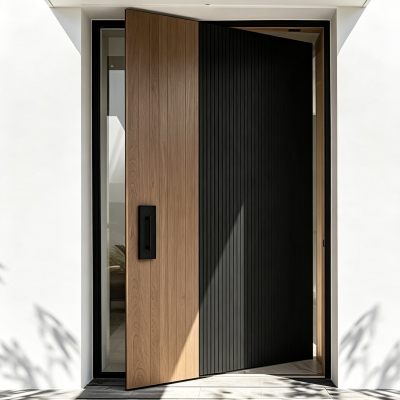
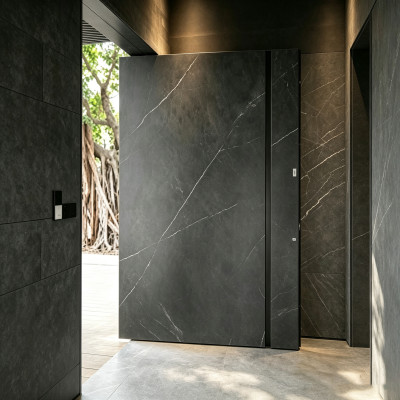
Aluminum Pivot Door Hardware: Choosing the Right Pivot System
An aluminum pivot door is only as good as the hardware that swings it. The pivot hinge system is the heart of every pivot door — it carries the full weight of the panel, controls the swing arc, defines the seal pressure at the floor, and ultimately determines whether your door will glide smoothly for twenty years or start sagging, squeaking, and binding within five. Most buyers focus on the door leaf and barely look at the spec sheet of the pivot hardware underneath. This guide walks you through everything that actually matters: the components, load ratings, bearing types, the honest difference between European and Chinese systems, pin materials, handle and lock integration, and how to plan a maintenance schedule that keeps the mechanism performing like new.
Quick Answer — Match Hardware to Door Weight + Usage
Choose pivot hardware rated for at least 1.5x your door panel's weight, with bearings matched to the cycle frequency (ball bearings for residential, needle/roller bearings for commercial or daily-heavy use), and prefer a stainless steel pin for coastal or humid environments. Landran Door pairs every aluminum pivot door with a European-grade pivot system rated 300kg–500kg per leaf depending on panel size, with 316 stainless steel top and bottom pivot pins and sealed ball-bearing assemblies engineered for a 20+ year service life under normal residential use.
Hardware selection in 60 seconds
- Calculate the load: door panel weight (kg) + 50% safety margin = minimum hardware load rating.
- Match the bearing: ball bearing for up to ~30 cycles/day; needle/roller bearing for 50+ cycles/day or commercial doors.
- Pick the pin material: 316 stainless steel for coastal, pool, or high-humidity sites; hardened carbon steel is fine for most inland projects.
- Decide on visibility: concealed hardware for a clean architectural look, floor-mounted visible hardware for easier maintenance and heavier loads.
- Source European-grade: for doors over 300kg or for warranty confidence, insist on a European pivot system (German or Italian origin), not a generic unbranded Chinese system.
Pivot Hardware Components Explained
A pivot hinge system is a small mechanical assembly of just five core parts, but each one has a direct impact on how the door feels and how long it lasts. Understanding these components is the only way to compare hardware brands honestly, because two pivot sets can look identical on the spec sheet while being built from completely different materials and tolerances.
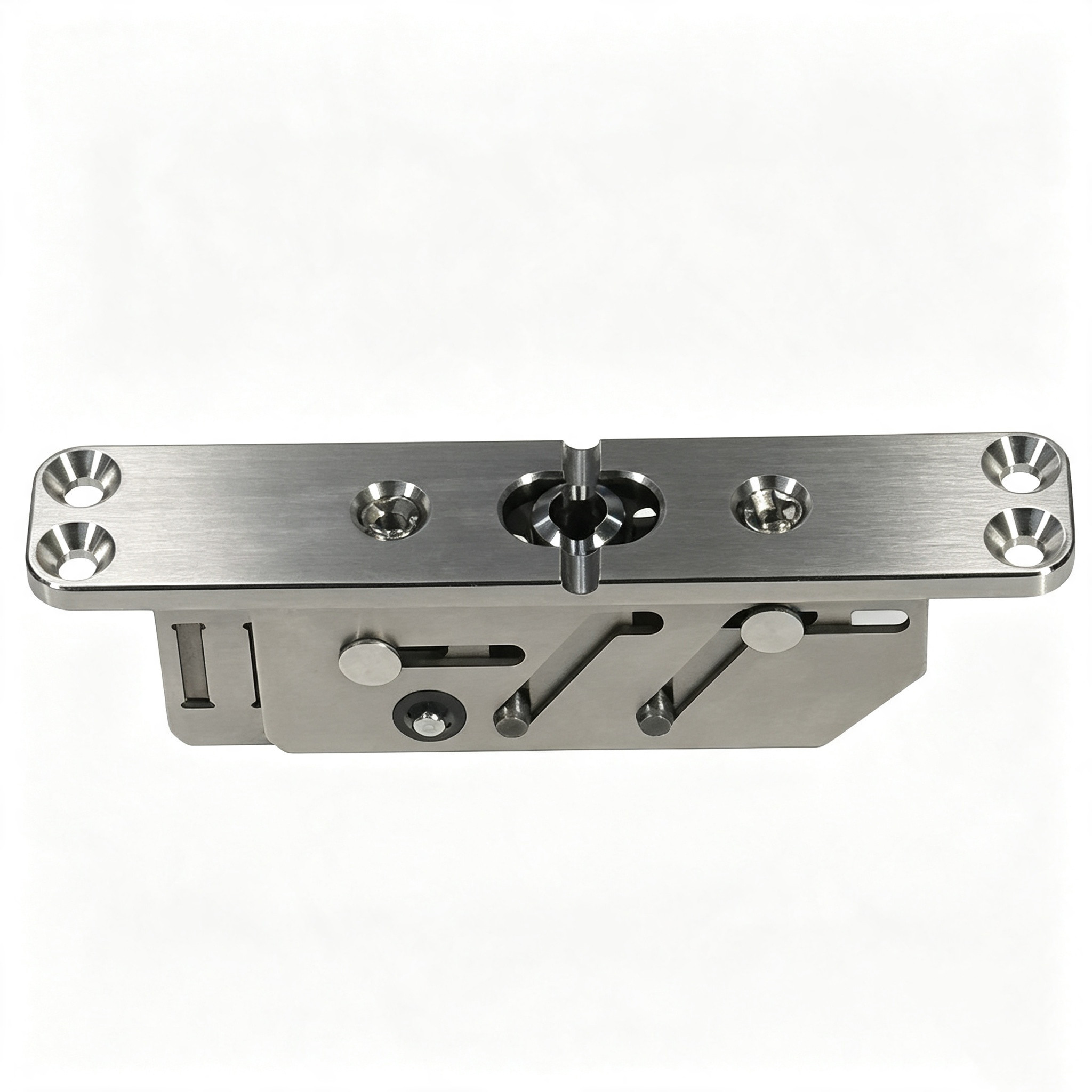
1. Top Pivot Pin and Guide
The top pivot pin is a short, hardened steel shaft that drops into a guide bracket mounted in the header (or ceiling beam). The guide allows the pin to rotate freely but stops the door from drifting laterally at the top. In a center-pivot configuration the top pivot carries almost no vertical load — it's mostly a stabilizer. In an offset-pivot configuration it carries a small share of the weight along with the floor pivot. The pin diameter typically ranges from 10mm to 16mm; oversized pivot doors (over 2.4m tall) require the larger 16mm pin to prevent flexing during the swing arc.
2. Bottom Pivot and Bearing Assembly
The bottom pivot is where the real engineering lives. It is a heavy-duty bearing assembly — usually ball, roller, or needle — housed in a steel or stainless steel cup that is recessed into the finished floor. The bottom pivot carries 100% of the door's vertical load in a center-pivot configuration (and roughly 80% in an offset pivot), so its load rating defines the maximum panel weight the system can support. The bearing assembly is the part that wears first; the rest of the hardware can easily outlast two or three bearing replacements if the system is properly maintained.
3. Pivot Shaft / Spindle
The shaft is the vertical pin that connects the top and bottom pivots through the door's internal structure. It is welded, bolted, or clamped to a steel plate inside the leaf, and the door rotates around this axis. Shaft diameters run from 12mm to 20mm depending on load class. Cheap systems use a short shaft with welded tabs; premium systems use a continuous shaft running the full height of the leaf for maximum rigidity.
4. Floor Plate / Threshold Box
The floor plate is the visible (or concealed) housing that sits at finished-floor level and holds the bottom bearing cup. It can be a stainless plate for surface-mounted systems, or a recessed aluminum threshold box for concealed systems. The floor plate also interfaces with the door's bottom seal — critical for thermal performance, because the gap around the pivot point is the #1 source of air leakage in any pivot door.
5. Top Guide Bracket
The top bracket is fixed to the structural header and holds the top pivot pin in place. Its job is to keep the door plumb and prevent lateral wobble during the swing. Premium brackets include a small thrust bearing that lets the door pivot without grinding. In concealed systems, the bracket is hidden inside the frame.
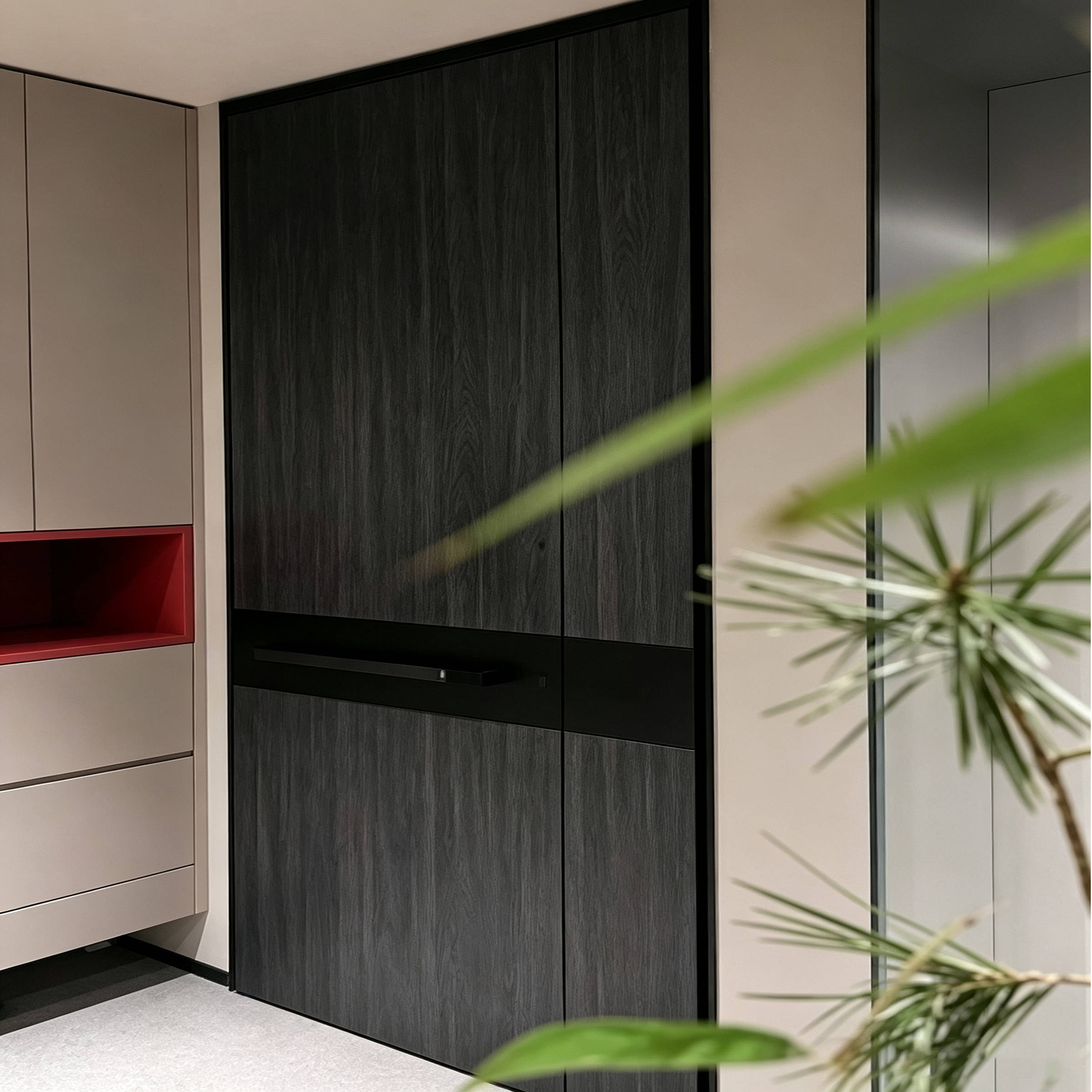
If a quote specifies the door weight but does not separately list the bearing type, pin diameter, and load rating of the pivot hardware, treat it as an unfinished spec. A serious manufacturer publishes all five component specs for every door they sell.
Load Rating Guide: Which System for Which Weight?
Load rating is the single most important number on a pivot hardware spec sheet. It tells you the maximum panel weight the system is engineered to support over a long service life without bearing fatigue, shaft deformation, or floor plate loosening. Undersizing the load rating is the #1 cause of premature pivot door failure — the door starts to sag, the swing becomes lopsided, and the bottom seal loses compression within a few years.
Use the table below to match your door to the right load class. Always round up to the next class — a 220kg door should use a 300kg-rated system, not a 220kg-rated one, because the safety margin protects against impact loads, wind loads, and long-term bearing creep.
| Hardware Load Rating | Typical Panel Weight | Typical Panel Size | Best Application |
|---|---|---|---|
| 150 kg class | 80–150 kg | Up to 1.2m × 2.4m | Small residential pivot doors, side entries, interior pivot partitions |
| 300 kg class | 150–300 kg | Up to 1.5m × 2.7m | Standard villa entry pivot doors, single-leaf commercial lobbies |
| 500 kg class | 300–500 kg | Up to 1.8m × 3.0m | Large luxury villa pivots, oversized pivot doors, heavy double-glazed panels |
| 750 kg+ class | 500–900 kg | Up to 2.2m × 3.5m | Extra-large architectural pivots, pivot entry with integrated sidelights, hotel and commercial flagship entrances |
| 1000 kg+ class | 900 kg and above | Custom engineered | Record-size pivots, pivot doors with stone cladding, monumental commercial entries |
Always spec hardware rated for at least 1.5x the actual panel weight. A 350kg door should run on a 500kg-rated system. The extra margin absorbs impact loads, keeps the bearing within its optimal stress window, and dramatically extends service life.
Landran Door specifies a 500kg-class European pivot system as the standard for its villa and luxury entry pivot range (P-001 through P-164 series). For oversized or architectural commissions, the hardware can be upgraded to the 750kg-class at the factory without changing the door leaf dimensions. The published load rating is verified by cycle testing in excess of 500,000 open-close cycles at the rated load.
Bearing Types: Ball vs Roller vs Needle
The bearing inside the bottom pivot cup is what makes the door feel smooth — or heavy. Three bearing types dominate the market, each with very different load, smoothness, longevity, and maintenance characteristics.
Ball Bearings
Ball bearings are the most common pivot bearing type. They use hardened steel balls arranged in a race around the pivot shaft, distributing the load evenly across contact points. They give a smooth, low-friction swing and tolerate moderate misalignment. For residential pivot doors used 10–30 times per day, a sealed ball bearing assembly will last 15–20 years before it needs lubrication or replacement. Ball bearings are also relatively forgiving of small installation errors and dust contamination.
Roller Bearings
Roller bearings use cylindrical rollers instead of balls. They handle heavier radial loads with less friction at higher speeds, which makes them ideal for large-format pivot doors (over 500kg) and commercial doors with high cycle counts. Roller bearings typically last longer than ball bearings under heavy load, but they are more sensitive to side loads and require more precise installation. If the door is even slightly out of plumb, roller bearings will bind or wear unevenly.
Needle Bearings
Needle bearings are long, thin cylindrical rollers that provide a very high load capacity in a compact space. They are the premium choice for monumental pivot doors, hotel and museum entrances, and any application where the door is cycled hundreds of times per day. Needle bearings are also the most expensive and the most demanding to install correctly. When properly specced and installed, a needle-bearing pivot system will outlast the door leaf itself.
| Bearing Type | Load Capacity | Smoothness | Typical Service Life | Maintenance | Best Use |
|---|---|---|---|---|---|
| Ball bearing | Up to ~500 kg | Very smooth | 15–20 years | Lubricate every 3–5 years | Residential villas, low-to-medium traffic |
| Roller bearing | 500–900 kg | Smooth, slightly heavier feel | 20–25 years | Lubricate every 4–6 years | Large pivots, commercial lobbies |
| Needle bearing | 900 kg and above | Smooth, very solid feel | 25+ years | Lubricate every 5–7 years | Monumental entries, daily-heavy commercial |
If your door is opened more than 50 times a day, spec roller or needle bearings from day one. The cost difference versus ball bearings is small relative to the extended service interval and the smoother feel under sustained use.
European vs Chinese Pivot Systems
This is the comparison most buyers avoid asking, because it can mean admitting a meaningful price difference. The honest truth is that European-made pivot systems (German and Italian origin brands) and Chinese-made pivot systems occupy different quality tiers — and the gap shows up in cycle life, tolerance precision, and warranty support.
What European Systems Do Better
- Tolerance precision: German and Italian pivot sets are machined to tighter tolerances (typically ±0.02mm on bearing races vs ±0.1mm on budget Chinese systems), which translates directly into a smoother swing and longer bearing life.
- Steel quality: European systems use 100Cr6 chrome steel or equivalent for balls and rollers, hardened to HRC 62+. Many Chinese systems use lower-grade steel that wears faster under load.
- Sealing: European pivot cups are sealed against dust and moisture; budget Chinese systems often run open bearings that require more frequent cleaning.
- Cycle testing: European brands publish cycle-test data (typically 500,000 to 1,000,000 cycles at rated load). Chinese brands rarely publish independent cycle data.
- Warranty support: European brands offer 10–15 year warranties with replacement-part availability. Chinese pivot warranties are typically 2–5 years, and spare parts can be harder to source after the model changes.
What Chinese Systems Offer
- Price advantage: a Chinese pivot system is roughly 40–60% cheaper than an equivalent European system — typically a saving of R3,000–R5,000 per door (about $400–$700 USD at current rates).
- Faster lead time: Chinese factories stock and ship standard sizes within days, while European systems often have 4–8 week lead times for non-stock specifications.
- Customization: Chinese manufacturers will more readily produce non-standard shaft lengths, custom finishes, or unusual load ratings at modest cost.
For a residential villa door with light-to-moderate daily use, a high-grade Chinese pivot system (spec'd with 316 stainless pins and sealed bearings) will perform acceptably. For any door above 300kg, in a coastal environment, or with commercial cycle counts, the European system pays for itself within the first decade through reduced maintenance and longer service life. Landran Door uses European-spec pivot systems across its entire aluminum pivot door range as standard, and the price premium is built into the door — buyers don't have to make a separate upgrade decision.
Concealed vs Visible Hardware
The second big aesthetic and functional decision is whether the pivot hardware should be visible or hidden in the floor and header. Each approach has clear trade-offs.
Visible / Surface-Mounted Hardware
Surface-mounted pivot hardware sits on top of the finished floor, with the bearing cup and floor plate clearly visible. This is the traditional architectural look favored in minimalist villas. Visible hardware is easier to install, easier to service, and typically rated for heavier loads because the structure is more open. The downside is that the plate interrupts the floor finish and can collect dust at the pivot point.
Concealed Hardware
Concealed pivot hardware is recessed into the floor and header, leaving only the door's bottom edge and a hairline threshold visible. This is the cleanest look and is favored where a continuous floor finish must run up to the door. Concealed systems cost more, are more complex to install, and harder to service — the floor must be opened to reach the bearing cup. They are also limited to lighter loads unless very carefully engineered.
For most luxury villa applications, the choice comes down to aesthetic preference and floor finish. If you have a continuous stone or tile floor and want a clean architectural line, concealed hardware is worth the premium. If you have a wood floor or a defined threshold zone, visible hardware is the more practical and more serviceable choice.
Pin Material: Stainless Steel vs Carbon Steel
The pivot pin is the part that physically rotates every time the door opens. It is also the part most exposed to moisture if water ever pools at the threshold. Choosing the right pin material is therefore not just a longevity decision — it's a corrosion decision.
316 Stainless Steel
316 stainless is the marine-grade option. It contains molybdenum, which gives it dramatically better resistance to chloride corrosion than standard 304 stainless. For coastal homes, pool enclosures, tropical climates, or any door exposed to salt air, 316 stainless is the only acceptable pin material. The cost premium over carbon steel is modest (about 15–25%), but the service life difference is enormous — carbon steel will start showing surface rust within 5–8 years in a coastal site, while 316 will remain bright for 20+ years.
Hardened Carbon Steel
Hardened carbon steel (typically HRC 58–62) is the standard pivot pin material for most inland residential and commercial doors. It is harder than stainless, which gives slightly better wear resistance under high cycle counts, and it is cheaper. The trade-off is corrosion: carbon steel will rust if exposed to standing water or persistent high humidity. In dry, inland climates it is perfectly adequate.
Other Options
Some premium systems use titanium-coated or chrome-plated carbon steel pins for a middle-ground compromise. These coatings extend corrosion life significantly while keeping cost below full stainless. They are a reasonable choice for moderately humid environments.
| Pin Material | Corrosion Resistance | Wear Resistance | Approximate Cost | Best Use |
|---|---|---|---|---|
| 316 stainless steel | Excellent (marine grade) | Very good | $$$ | Coastal, pool, tropical, high-humidity sites |
| 304 stainless steel | Good | Very good | $$ | Urban, suburban, most inland residential |
| Hardened carbon steel | Fair (will rust if exposed) | Excellent | $ | Dry inland climates, budget-conscious projects |
| Coated carbon steel | Good (coating-dependent) | Very good | $$ | Moderate humidity, cost-sensitive coastal-suburban sites |
If your project is within ~5 km of a saltwater coast, within ~1 km of a chlorinated swimming pool, or in any tropical or subtropical climate, always specify 316 stainless pivot pins. The cost difference is small; the service-life difference is dramatic.
Handle & Lock Hardware for Pivot Doors
The pivot hardware carries and swings the door, but the handle and lock hardware define how the user interacts with it every day. Pivot doors have unique requirements here because the offset geometry changes how traditional handles and multi-point locks engage with the frame.
Offset Pull Handles
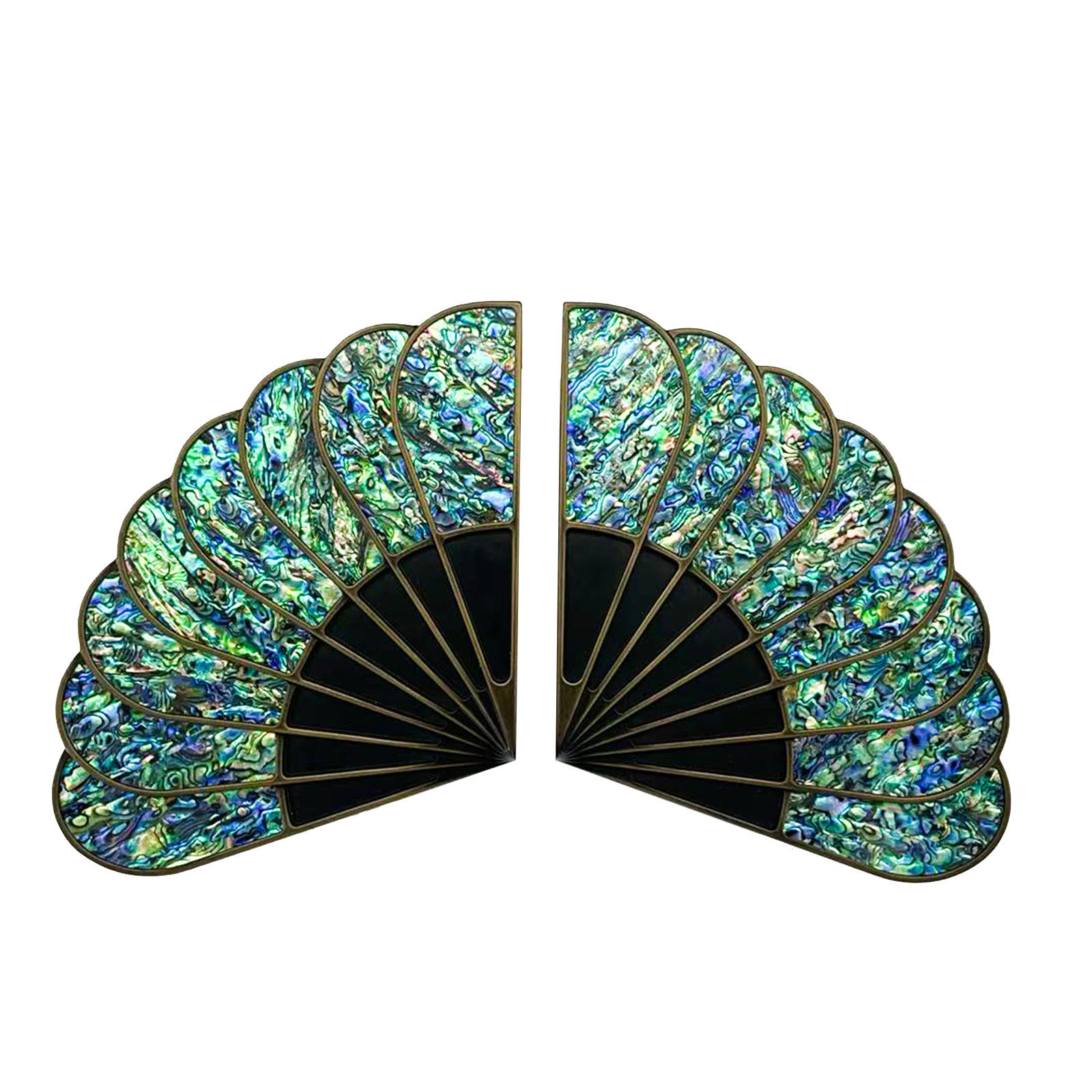
The classic pivot door handle is a long vertical pull, mounted on the opposite side of the leaf from the pivot axis. Because the door rotates around an axis offset from the edge, the pull handle sits naturally in the hand as the door swings open. Pulls typically range from 600mm to 1800mm in length; longer pulls are favored on taller pivot doors for proportional balance. Material options include stainless steel, brushed bronze, and powder-coated aluminum to match the door finish.
Integrated Smart Handles
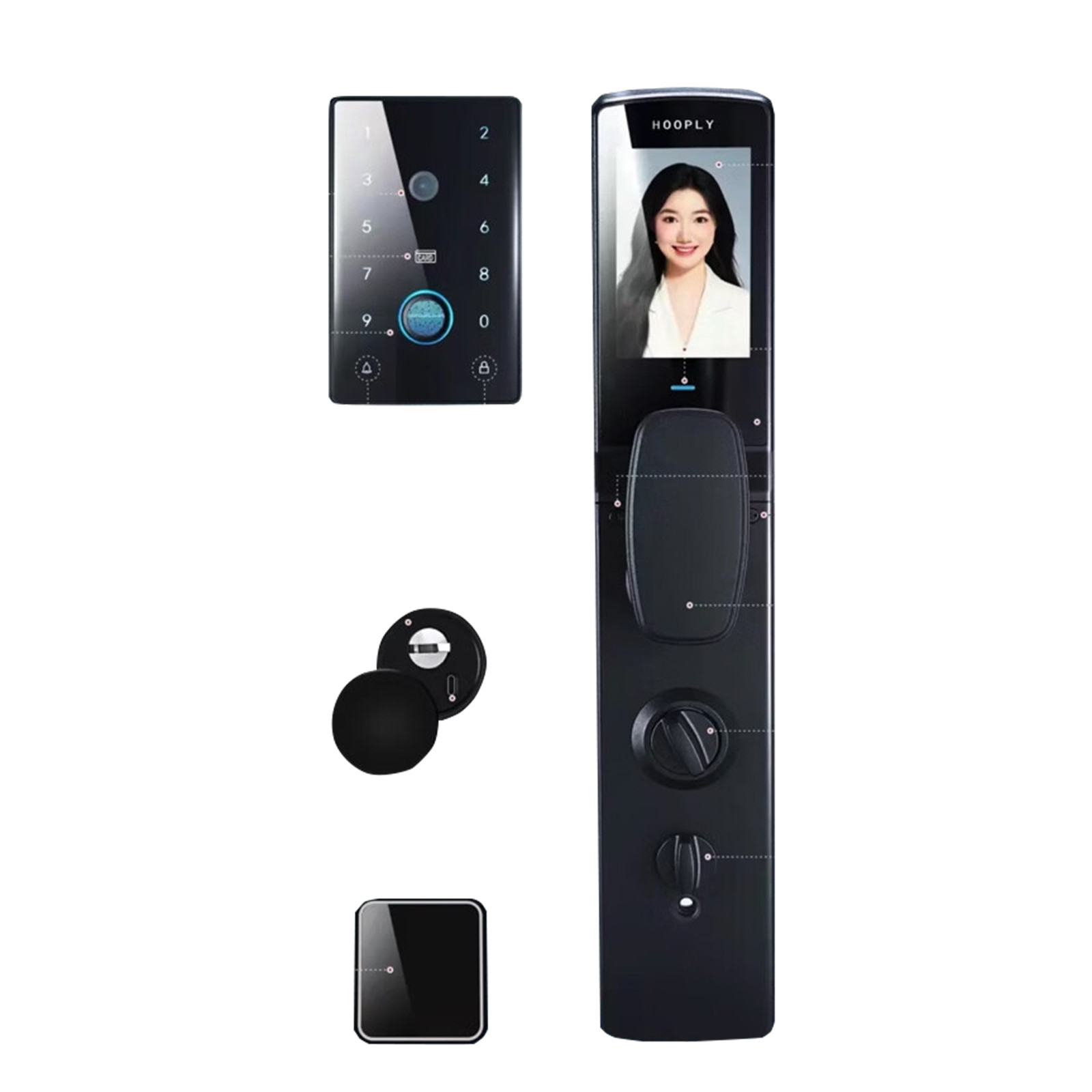
For modern luxury projects, integrated smart handles combine the pull, the lock, and the access control into a single piece of hardware. Fingerprint readers, PIN keypads, Bluetooth, and RFID are all common in this category. The advantage is clean aesthetics — no separate lockset, no visible strike plate — combined with full smart-home integration. The disadvantage is dependency on batteries and electronics: a smart handle is only as reliable as its power supply.
Multi-Point Lock Compatibility
Pivot doors are not compatible with traditional mortise locks in the same way hinged doors are — the offset axis changes the geometry of the lock strike, and the door's slight floating motion during the swing arc makes single-point latches unreliable. Multi-point locking is the standard solution: a single actuation (turn key, lift handle, tap smart fob) engages two or three latch points along the door height, securing the leaf firmly against the frame at multiple points. This dramatically improves both security and weather sealing.
Threshold Integration
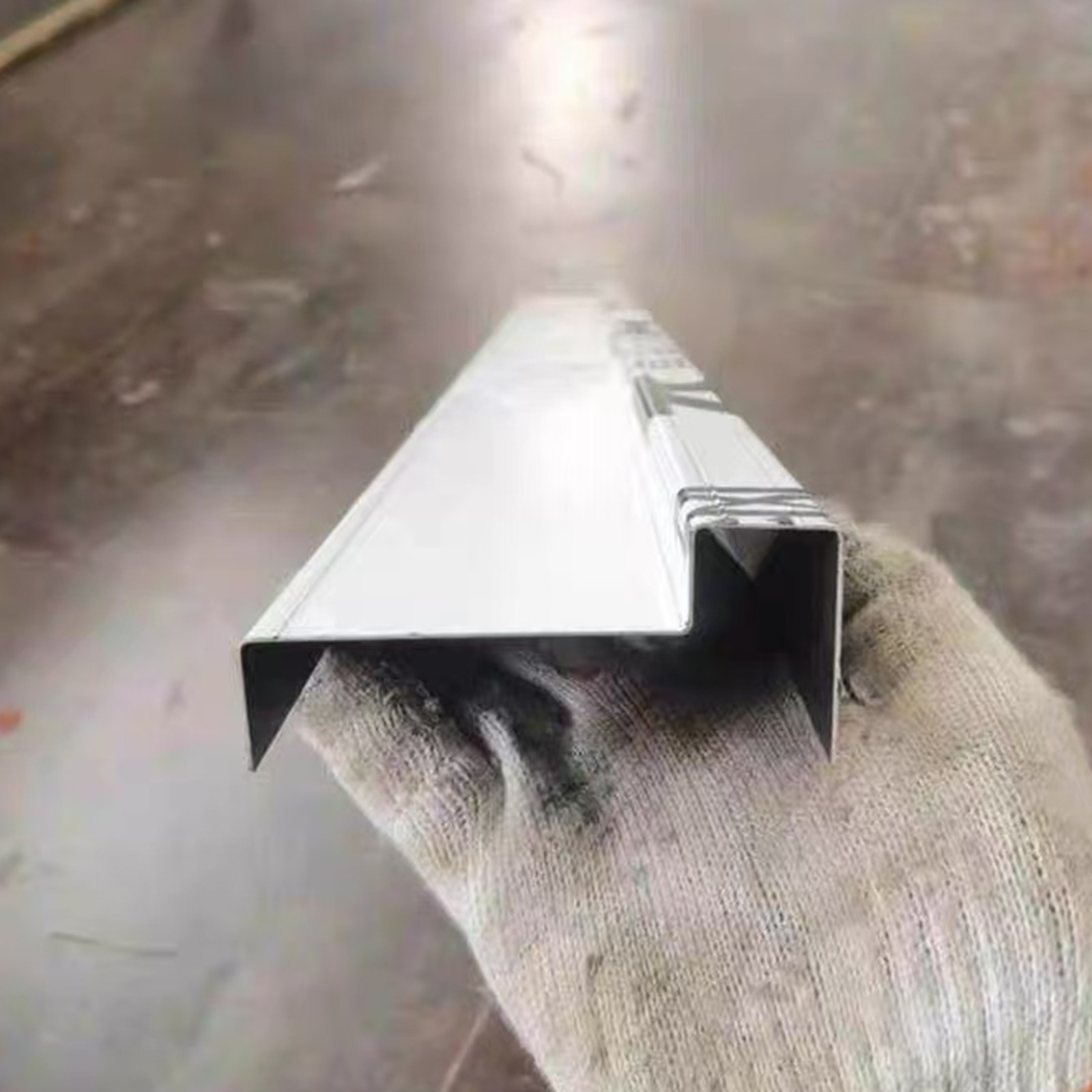
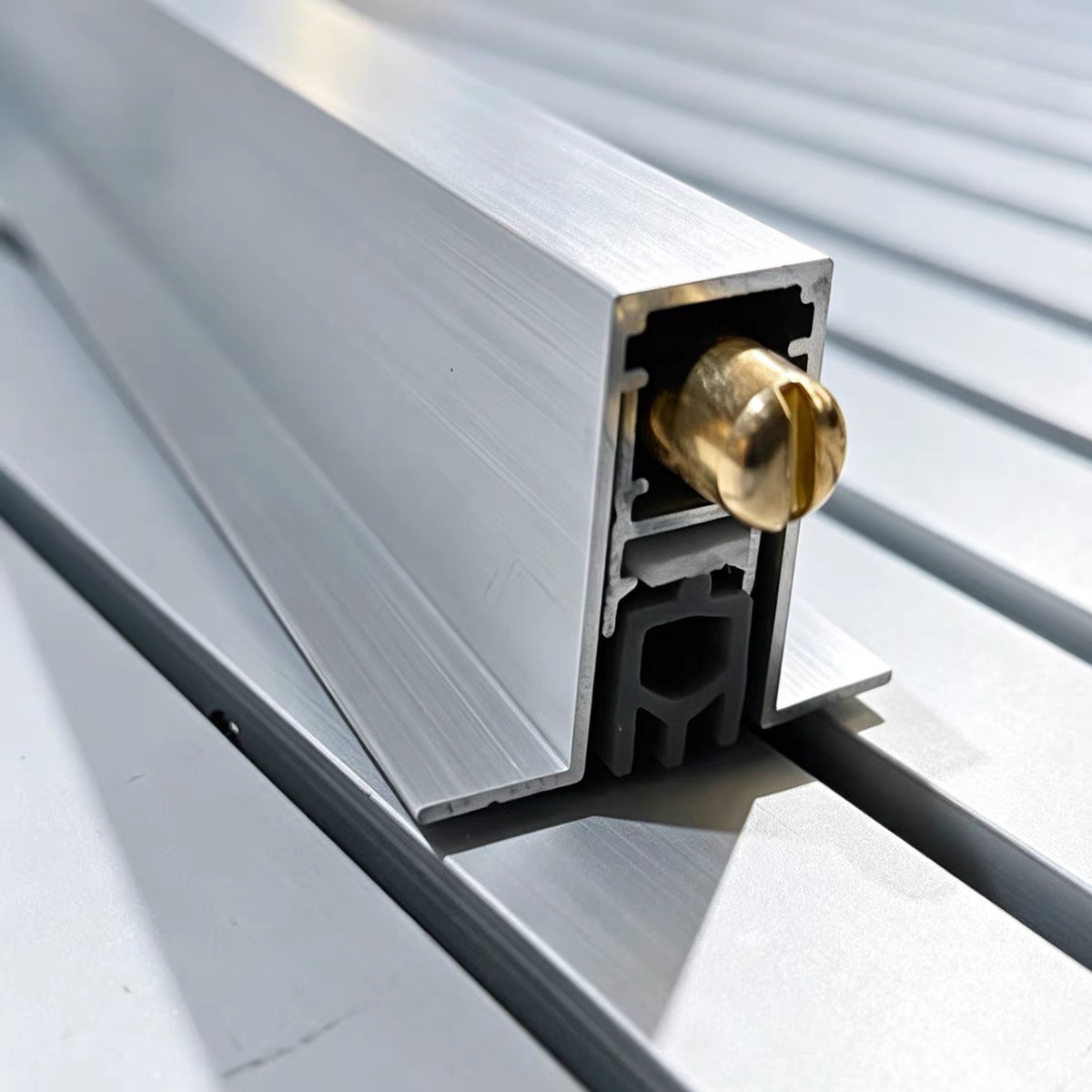
The threshold is the floor-side hardware that interfaces with the bottom seal and the door sweep. A well-designed threshold for a pivot door must do three jobs at once: support the bottom pivot plate, provide a channel for the drop-down seal, and shed water away from the door interior. The Landran threshold system is engineered to integrate all three functions in a single extruded aluminum profile.
Hardware Maintenance & Replacement Timeline
Even the best pivot hardware needs periodic maintenance. The good news is that the maintenance is light, infrequent, and almost entirely DIY-friendly once you understand the system. A proper schedule will keep a premium pivot door performing like new for 20+ years.
Annual Checks
- Wipe the pivot pin and bearing area clean of dust and debris.
- Inspect the floor plate for any loosening of anchor bolts.
- Check the top guide bracket for any lateral play.
- Test the swing — it should move smoothly with one finger at any point in the arc.
- Inspect the drop-down seal (if fitted) for even contact along the threshold.
Every 3–5 Years: Lubrication
Apply a high-quality synthetic grease to the bottom pivot bearing through the lubrication port. For visible systems this is a 10-minute job. For concealed systems the floor access cover must be removed first. This single step is what separates a 10-year pivot door from a 25-year pivot door.
Every 8–12 Years: Bearing Replacement
The bottom pivot bearing is a wear item. After roughly 8–12 years of normal residential use (5–7 years of heavy commercial use), the bearing will start to feel gritty or develop slight play. Replace the bearing assembly as a unit — most European pivot systems are designed for field-replaceable bearings, and the cost is a small fraction of the door's value.
Every 15–20 Years: Full System Review
Inspect the pivot shaft, the floor plate anchoring, and the top guide. The shaft itself rarely needs replacement, but the anchoring into the structure may need re-tightening, and any rubber seals or buffers should be replaced. After this service, the system is typically good for another 15–20 years.
| Interval | Action | Estimated Time | DIY or Professional? |
|---|---|---|---|
| Annually | Visual inspection, cleaning, swing test | 15 minutes | DIY |
| Every 3–5 years | Bearing lubrication | 10–30 minutes | DIY or installer |
| Every 8–12 years | Bottom bearing replacement | 1–2 hours | Professional installer |
| Every 15–20 years | Full system review, anchor re-tightening | Half day | Professional installer |
FAQ: Pivot Door Hardware
What weight pivot system do I need for a 1.5m × 2.7m aluminum pivot door?
For an aluminum pivot door of roughly 1.5m wide × 2.7m tall with a single glazed panel, the leaf typically weighs 180–280 kg depending on glass thickness and frame profile. You should spec a 300 kg-class pivot system as the minimum, or a 500 kg-class for additional safety margin. Landran Door fits a 500 kg-class European pivot as standard on this size range, which is well above the minimum and gives meaningful headroom for impact loads and long-term bearing life.
Are European pivot systems really worth 40–60% more than Chinese systems?
For doors under 200 kg in benign environments, the difference is hard to justify — a high-quality Chinese system will perform acceptably. For doors over 300 kg, in coastal sites, or with daily cycle counts above 30, the European system pays back through longer bearing life, less maintenance, and stronger warranty support. The break-even point in lifecycle cost is typically around year 8–10. If you are buying a premium aluminum pivot door that you expect to last 20+ years, the European hardware premium is one of the more rational upgrades you can choose.
How long do pivot door bearings actually last?
Sealed ball bearings in a residential pivot door typically last 15–20 years before they need replacement. Roller and needle bearings in commercial or oversized doors last 20–25 years or more. The actual service life depends almost entirely on two factors: the cleanliness of the bearing environment and the regularity of lubrication. A bearing that is never lubricated and is exposed to dust and grit will fail in 5–7 years; the same bearing with periodic care will run for two decades.
Can I retrofit a smart lock to an existing pivot door?
Yes, in most cases. The key requirement is that the existing door must accept a multi-point locking system rather than a single-point mortise. If your pivot door was originally specified with multi-point lock prep, retrofitting a smart lock is straightforward — typically a 2-hour installer job. If the door was specified with a single-point lock only, the lock edge will need to be re-machined to accept the multi-point hardware, which is more involved but still feasible. Landran ships all pivot doors with multi-point lock prep as standard to make future smart-lock upgrades simple.
What is the best pin material for a coastal villa?
For any coastal site, swimming pool enclosure, or tropical climate, specify 316 marine-grade stainless steel for both the top pivot pin and the bottom pivot shaft. Standard 304 stainless will resist general atmospheric corrosion but will pit and stain in chloride-rich environments. Carbon steel is not acceptable for coastal sites — it will show surface rust within a few years and may eventually seize. The cost premium for 316 stainless over carbon steel is small (typically 15–25%), and the service-life improvement is enormous.
Can I replace just the bearing, or do I need to replace the whole pivot set?
In most modern European pivot systems, the bearing is a field-replaceable cartridge that slides into the floor plate or threshold box. You remove one or two fasteners, lift out the old bearing, drop in the new one, and re-secure. The shaft, plates, and brackets are not wear items and should last the full life of the door. The typical cost of a replacement bearing cartridge is 5–10% of the cost of the full pivot system, so periodic bearing replacement is very economical.
Does pivot hardware work with automatic swing operators?
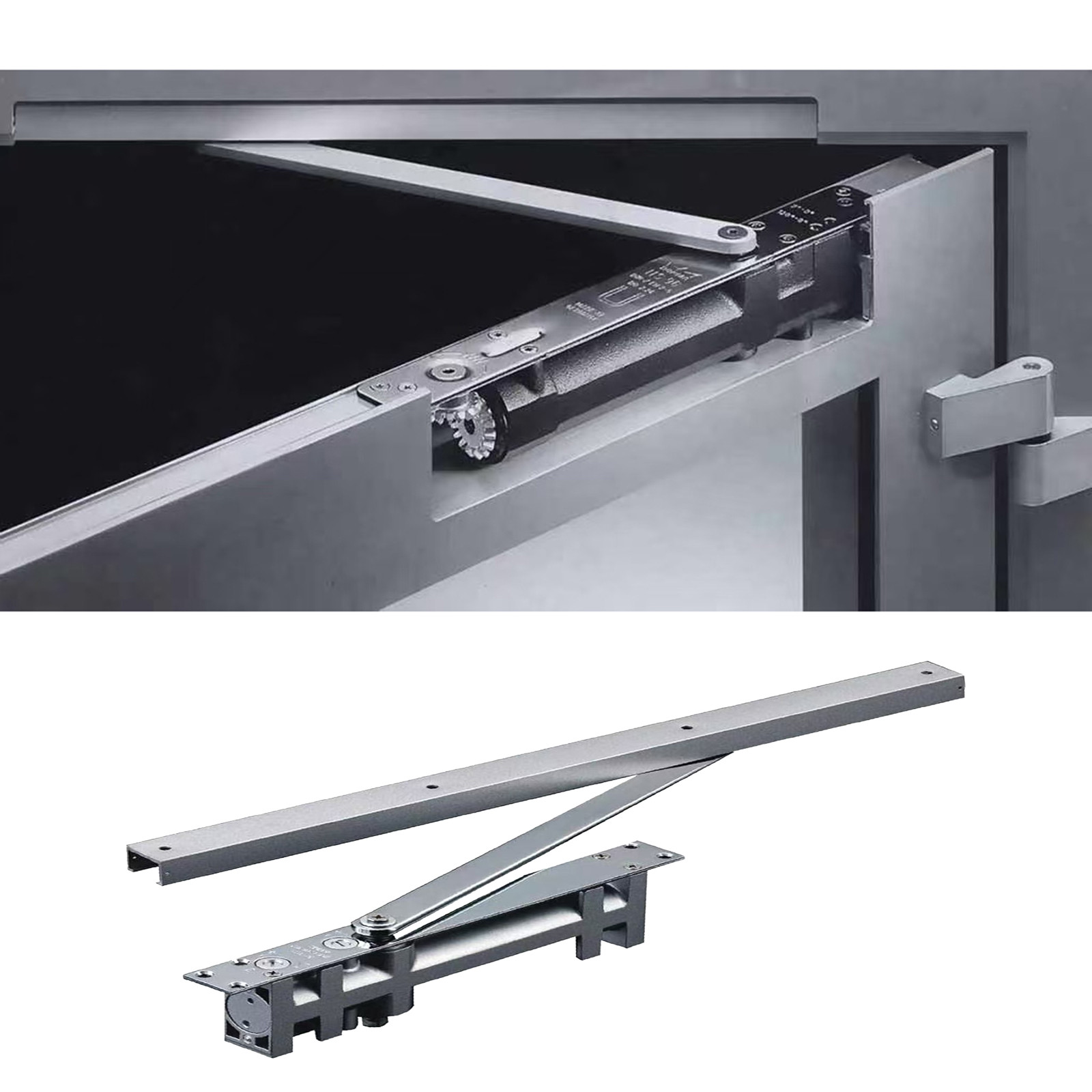
Yes. Most modern pivot systems are designed to integrate with automatic swing operators (the kind used for accessible entrances and high-traffic commercial doors). The operator arm attaches to the door leaf and the floor plate, and drives the swing through the pivot axis. When specifying a pivot door that will be automated, mention this to the manufacturer so they can pre-machine the leaf for the operator bracket and confirm the pivot hardware is rated for the additional cyclic load an operator imposes.
How do I know what hardware is already in my existing pivot door?
Look for a brand stamp or model number on the floor plate or top bracket — most European systems are clearly marked. If there is no marking, take photos of the floor plate and top bracket and send them to the door manufacturer or a local hardware specialist; they can usually identify the system within a few minutes.
Choosing Pivot Hardware That Lasts 20+ Years
The pivot hardware is a small component with an outsized impact on the long-term performance of an aluminum pivot door. Match the load rating to the panel weight with at least 50% headroom. Pick the bearing type to match your cycle count. Choose stainless pins for any humid or coastal environment. Specify concealed hardware only when aesthetics truly require it. And commit to a simple annual check plus periodic lubrication — that small discipline is the difference between a pivot door that lasts 10 years and one that still feels like new after 25. Landran Door publishes full pivot hardware spec sheets on every product page, and the standard 500 kg-class European pivot system is engineered to support that 20-year service life without compromise.