Aluminum Entry Door Colors and Finishes: Complete RAL Guide
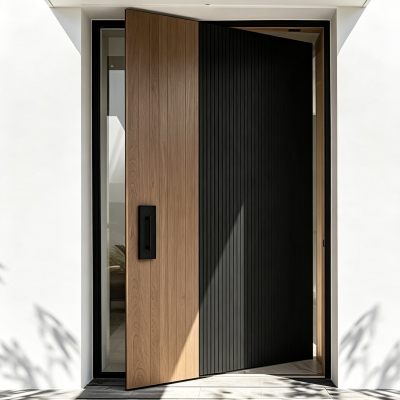
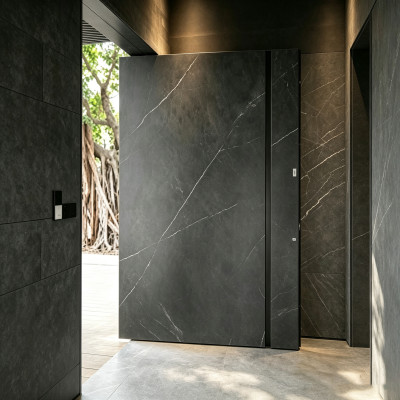
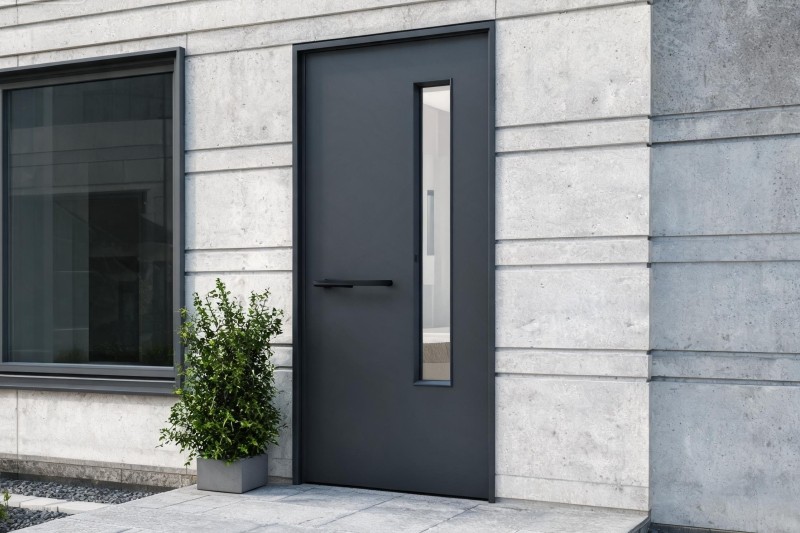
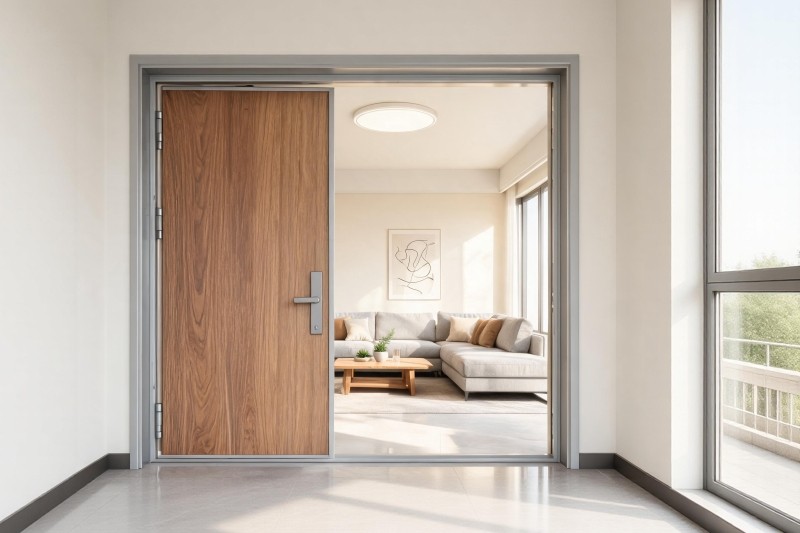
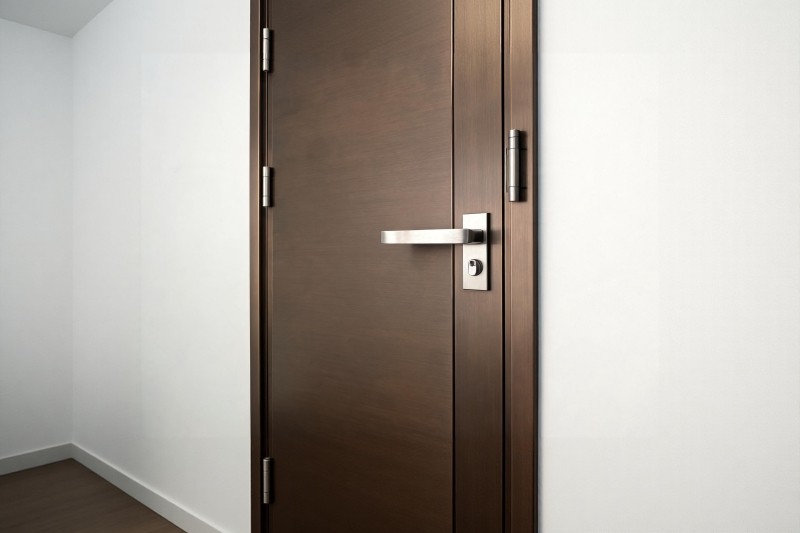
Aluminum entry doors are available in over 200 RAL colors, plus wood-grain textures, anodized metallic finishes, and dual-tone configurations that let you match interior and exterior aesthetics independently. The three primary finish types are powder coating (most popular, widest color range), anodizing (metallic, ultra-durable), and liquid paint (specialty colors, custom matching). At Landran Door, our aluminum entry door collection spans the full RAL spectrum, including matte, satin, gloss, and textured finishes, with optional wood-grain sublimation and dual-tone capability as standard premium features. Key Takeaway: Powder-coated RAL finishes offer the best balance of color choice, durability, and cost for most residential and commercial projects. Anodized finishes excel in coastal or high-UV environments. Liquid paint is ideal for custom color matching beyond the RAL range. Choosing the right finish for your aluminum entry door starts with understanding how each coating technology performs across the metrics that matter most: durability, color range, UV resistance, maintenance requirements, and cost. Powder coating is an electrostatic process where dry pigment particles are sprayed onto an aluminum surface and then cured at 180-200°C. The result is a uniform, durable finish that resists chipping, scratching, and fading. At Landran Door, our powder-coating line uses PVDF (polyvinylidene fluoride) resin for exterior doors, delivering 30-year color retention warranties and Class A fire ratings. The powder-coating process also allows for textured finishes — fine wrinkles, sand textures, and hammertone effects — that add tactile depth and hide minor surface imperfections. For architects and designers seeking a matte, low-sheen aesthetic, our matte powder series achieves a 10-20 gloss unit finish at 60°, softer than traditional semi-gloss doors. Anodizing is not a coating but an electrochemical process that thickens aluminum's natural oxide layer. The result is a finish that is literally part of the metal itself, offering unmatched scratch resistance and zero peeling or flaking risk. Standard anodizing thickness ranges from 15 to 25 microns; architectural-grade doors typically specify 20-25 microns for exterior exposure. Available tones include natural silver, champagne, bronze, and black. Because anodized finishes are translucent, they reveal the aluminum's metallic grain beneath, creating a living surface that shifts subtly with light angles. This makes anodizing the preferred choice for modern minimalist homes, commercial lobbies, and coastal properties where salt air accelerates corrosion of organic coatings. Liquid spray painting fills the gap when a project demands colors outside the RAL catalog — corporate brand colors, heritage restoration matches, or ultra-metallic effects that powder cannot replicate. Two-component polyurethane and fluoropolymer liquid paints offer excellent adhesion and flexibility, though they require more frequent maintenance than powder or anodized finishes. Modern architectural facade featuring a powder-coated aluminum entry door in anthracite gray Color trends for entry doors follow broader architectural and interior design movements. For 2026, we see continued demand for neutral confidence — deep charcoals, warm taupes, and nature-inspired greens — alongside bold accent choices that make the door a focal point. Here are the fifteen most specified RAL colors in our 2026 project pipeline at Landran Door: The definitive modern statement. Matte black absorbs light and creates dramatic contrast against light stone, wood, or render facades. Our most requested finish for contemporary and industrial-style homes. The universal neutral. Dark enough to feel premium, warm enough to avoid harshness. Pairs with virtually every cladding material and remains the top choice for European-style modern homes. A muted green-gray that harmonizes with natural landscapes. Ideal for rural properties, woodland settings, and homes with extensive glazing that reflects greenery. Warm and welcoming. Copper brown bridges traditional brick architecture and contemporary design, offering a softer alternative to black or gray. Emerging as 2026's breakout color. Deep moss green connects interior biophilic trends to exterior architecture, especially effective on timber-framed or plant-rich properties. Mid-tone gray with subtle warmth. Less dominant than anthracite, basalt gray allows landscaping and architectural details to share the visual hierarchy. Clean, crisp, and Scandinavian. White aluminum doors maximize light reflection and work beautifully on dark-rendered or timber-clad facades. Bold but not brash. Brilliant blue makes a confident statement on coastal homes, modern townhouses, and creative commercial spaces. The ultimate chameleon. Gray-beige adapts to warm and cool palettes alike, making it a safe choice for resale value and timeless appeal. For the brave. A full-gloss rapeseed yellow door transforms a neutral facade into a design statement. Best paired with gray or white cladding. Heritage elegance. Wine red suits Victorian renovations, Georgian townhouses, and any property where traditional grandeur meets modern performance. Coastal and serene. Blue-green echoes sea and sky, making it a natural fit for beach houses, lakeside retreats, and nautical-themed architecture. Earthy and organic. Orange-brown aluminum doors complement terracotta roof tiles, natural stone, and Mediterranean-inspired architecture. Softer than pure white. Oyster white avoids clinical harshness and pairs with natural materials like oak, limestone, and raw concrete. Darker than anthracite with a subtle blue undertone. Black gray is the choice for ultra-modern, monochromatic facades where every tonal shift matters. Landran Door Color Service: Beyond these top 15, we offer the complete RAL Classic and RAL Design ranges — over 200 standard colors with 3 gloss levels (matte, satin, gloss) and custom color matching to any Pantone or physical sample. Request our color sample kit to see finishes in person before specifying. Wood-grain aluminum doors combine the aesthetic warmth of timber with the structural performance of aluminum. Through a process called thermal sublimation (also known as wood-effect transfer), a photographic wood pattern is printed onto a transfer film, then heat-pressed onto a powder-coated aluminum profile at 180-200°C. The ink vaporizes and bonds permanently with the polyester base coat, creating a finish that looks and feels like real wood. At Landran Door, our wood-grain collection includes the most architecturally relevant species: Not all wood-grain finishes are equal. The industry recognizes three quality grades based on film resolution, transfer temperature control, and base-coat compatibility: Unlike real wood, wood-grain aluminum requires no staining, sealing, or annual maintenance. It will not warp, rot, or fade under UV exposure, and it carries the same 30-year finish warranty as our solid-color powder-coated doors. Wood-grain aluminum doors bring natural warmth to contemporary interiors without timber maintenance One of the most requested premium features in our 2026 orders is dual-tone finishing — the ability to specify a different color or finish on the interior face of the door than the exterior face. This capability addresses a genuine design problem: the exterior door must harmonize with the facade, while the interior face should complement the hallway, foyer, or living space. Dual-tone doors are manufactured using separate aluminum profiles for the interior and exterior halves of the door leaf, joined thermally by a polyamide thermal break. Each half is finished independently in our coating line before assembly. This means: Based on our 2026 project data, these are the most specified dual-tone pairings: Ext: RAL 9005 Jet Black (Matte) Int: RAL 9016 Traffic White (Satin) Ext: RAL 7016 Anthracite Gray Int: European Oak Wood-Grain Ext: RAL 9010 Pure White Int: Teak Wood-Grain Ext: Bronze Anodized Int: RAL 7021 Black Gray Landran Door dual-tone service is available across our entire entry door range at no additional lead time. Because we control both finishing lines in-house, dual-tone doors ship on the same schedule as single-finish orders. Explore dual-tone options on our product pages or request a sample pair showing both faces. For projects where color is less important than material presence, metallic and anodized finishes offer a level of sophistication that painted surfaces cannot replicate. These finishes celebrate aluminum's intrinsic properties — its lightness, reflectivity, and industrial elegance. Brushed aluminum is created by mechanically abrading the metal surface with fine abrasive belts, creating a unidirectional satin texture that diffuses light and hides fingerprints. It is typically clear-anodized (5-10 microns) to prevent oxidation while preserving the raw metallic appearance. Brushed aluminum suits high-tech, industrial, and contemporary interiors where honesty of materials is valued. Bronze anodizing uses organic dyes during the anodizing process to impart warm copper-brown tones ranging from light champagne bronze to deep architectural bronze. Unlike painted bronze, anodized bronze retains metallic luster and will not chip or peel. It is the finish of choice for high-end commercial entrances, Art Deco restorations, and warm modern residential projects. Champagne (also called light bronze or pale gold) sits between silver and bronze on the warmth spectrum. It reflects warm afternoon light beautifully and pairs with cream, taupe, and soft gray interiors. Champagne anodized aluminum is increasingly popular in luxury apartment buildings and boutique hospitality projects. Important: Anodized finishes cannot be repaired in the field. Scratches or damage require profile replacement. For high-traffic applications, consider powder-coated metallic effects (metallic powders with mica flakes) that offer similar visual depth with easier touch-up capability. Landran Door offers both options and can advise on the best choice for your traffic and maintenance profile. Bronze-anodized aluminum door with brushed stainless steel hardware — a study in material contrast Color fade is the single most common cause of door replacement in the 15-25 year window. Understanding what causes fade and which coatings resist it can save significant lifecycle cost. UV radiation breaks down organic pigments and polymer binders in surface coatings. The rate of degradation depends on: The ASTM G154 and ASTM G155 accelerated weathering protocols, combined with South Florida 45° exposure testing, provide the most reliable data on long-term fade performance. Here's how the major coating types perform: Landran Door specification: All exterior-facing aluminum entry doors are finished with PVDF-based powder coating as standard, carrying a 30-year color retention warranty. For projects in extreme UV environments (Arizona, Florida, Middle East), we upgrade to Kynar 500® / Hylar 5000® resin systems with ceramic microspheres for additional IR reflection and surface temperature reduction. Color choice should never be arbitrary. The right door color reinforces the architectural language of the building, enhances curb appeal, and creates visual coherence between the door, facade, and landscape. Here's how to match RAL colors to common architectural styles: Recommended: RAL 9005 Jet Black, RAL 7016 Anthracite, RAL 7021 Black Gray, Bronze Anodized Modern architecture relies on contrast, clean lines, and material honesty. Dark matte doors against white or gray render create the signature modern silhouette. Anodized bronze adds warmth without compromising the minimalist ethos. Recommended: RAL 8004 Copper Brown, RAL 8023 Orange Brown, RAL 3005 Wine Red, RAL 1019 Gray Beige Warm earth tones echo terracotta roof tiles, stucco walls, and sun-baked stone. Avoid cool grays and blues, which clash with the warmth of Mediterranean palettes. Recommended: RAL 3005 Wine Red, RAL 8017 Chocolate Brown, RAL 1013 Oyster White, Mahogany Wood-Grain Traditional homes favor colors with heritage resonance. Deep reds, rich browns, and classic wood tones anchor the entry as a formal focal point. Panel detailing and fanlight glazing amplify the traditional impression. Recommended: RAL 9016 Traffic White, RAL 9010 Pure White, RAL 9006 White Aluminum, RAL 7003 Moss Gray Light, bright, and understated. Scandinavian entries prioritize natural light and material texture over bold color. White or pale gray doors with matte finishes maintain the calm, uncluttered aesthetic. Recommended: RAL 9005 Jet Black, RAL 7021 Black Gray, Brushed Aluminum, RAL 7012 Basalt Gray Industrial architecture celebrates raw materials and utilitarian aesthetics. Black steel-look frames, brushed metal, and exposed hardware define the style. Powder-coated finishes can replicate the look of steel without the weight or corrosion risk. Recommended: RAL 9010 Pure White, RAL 5007 Brilliant Blue, RAL 6004 Blue Green, RAL 1013 Oyster White Coastal homes favor light-reflecting colors that stay cool under intense sun and complement blue-water views. Anodized or PVDF finishes are essential for salt-air corrosion resistance. Pro Tip from Landran Door: When choosing a door color, photograph your facade in morning, midday, and evening light. Colors shift dramatically under different sun angles. Order physical samples and view them against your facade at multiple times of day before finalizing your specification. Yes. Powder coating supports any RAL color plus custom color matching to Pantone references or physical samples. Liquid paint extends this to colors outside the RAL range, including pearl, fluorescent, and color-shifting effects. At Landran Door, we offer over 200 standard RAL colors with custom matching available for project-specific requirements. RAL 7016 Anthracite Gray and RAL 9005 Jet Black (Matte) are the two most specified colors globally, accounting for approximately 60% of residential aluminum door orders. Their popularity stems from universal compatibility with modern architecture and the premium aesthetic of dark, muted tones. Dark colors absorb more solar radiation, which increases surface temperature and can accelerate binder degradation. However, with PVDF-based coatings, this effect is minimal. The key factor is coating chemistry, not color. Landran Door's PVDF system maintains color stability across the full spectrum, from white to black. Site-applied repainting of aluminum doors is possible but not recommended for factory-quality results. Proper adhesion requires thorough degreasing, abrasion, and application of a compatible primer. For lasting results, door replacement or professional shop refinishing is preferable. Landran Door offers a refinishing assessment service to evaluate whether your existing door is a candidate for recoating. RAL Classic comprises 213 colors organized by hue, the standard for industrial and architectural specification. RAL Design is a scientific color system with 1,625 colors based on CIELAB color space, allowing precise color communication and digital matching. Most door manufacturers work in RAL Classic; Landran Door supports both systems. Wood-grain sublimation adds approximately 15-25% to the finish cost compared to standard powder coating, reflecting the additional film, transfer process, and quality control steps. However, the lifecycle cost is significantly lower than real wood, which requires annual maintenance, staining, and eventual replacement. Anodizing offers the best salt-air corrosion resistance because it is part of the metal itself and contains no organic binders to degrade. PVDF powder coating is the best painted option, with its fluoropolymer chemistry resisting salt, moisture, and UV simultaneously. Avoid standard polyester powder within 5 km of coastline. Yes. Dual-tone finishing is a standard capability at Landran Door. The interior and exterior door profiles are finished separately before thermal assembly, allowing independent color and finish choices. This is ideal when the exterior must match the facade and the interior must match the hallway decor. Powder-coated and anodized aluminum doors require minimal maintenance. Wash annually with mild soap and water using a soft cloth or sponge. Avoid abrasive cleaners, solvents, or pressure washers above 80 bar. For stubborn stains, a non-abrasive cream cleaner is safe on PVDF finishes. Anodized surfaces can be restored with specialized aluminum brightener if dulling occurs. Landran Door offers a 30-year color retention warranty on all PVDF powder-coated exterior finishes, a 20-year warranty on super-durable polyester finishes, and a 30-year structural warranty on anodized finishes. Wood-grain sublimation carries a 25-year fade warranty. Full terms are available upon request. Choosing the right color and finish for your aluminum entry door is a decision that balances aesthetic vision, environmental exposure, and lifecycle cost. Powder-coated RAL finishes offer unmatched versatility and value for the majority of projects. Anodized finishes deliver ultimate durability and metallic authenticity for premium applications. Wood-grain sublimation bridges the gap between aluminum performance and timber warmth. And dual-tone capability ensures your door looks as good from the inside as it does from the outside. At Landran Door, we manufacture every entry door to order, with 200+ RAL colors, 6 wood-grain species, 4 anodized tones, and dual-tone configuration available across our full product range. Whether you are an architect specifying a facade system, a builder sourcing for a development, or a homeowner renovating your entry, our color specialists can guide you to the optimal finish for your project. Contact us for color samples, project-specific quotations, or technical documentation on our full finish range. Quick Answer: 200+ Colors, 3 Finish Types, Endless Possibilities
Finish Types Compared: Powder Coat vs Anodized vs Liquid Paint
Property
Powder Coating
Anodizing
Liquid Paint
Durability
Excellent (20-30 years)
Superior (30-50 years)
Good (10-20 years)
Color Range
200+ RAL colors, unlimited custom
Limited metallic tones
Unlimited (any color match)
UV Resistance
High (PVDF: 30+ years)
Exceptional (non-fading)
Moderate (requires topcoat)
Surface Hardness
H-2H pencil hardness
9H ( sapphire-like )
HB-2H
Maintenance
Low (soap and water)
Very low (self-cleaning)
Moderate (periodic recoating)
Cost (relative)
$ (most economical)
$$$ (premium)
$$ (mid-range)
Best For
Residential, commercial, most climates
Coastal, high-traffic, modern architecture
Custom branding, restoration, heritage
Powder Coating: The Industry Standard
Anodizing: The Metallic Purist's Choice
Liquid Paint: Beyond the RAL Range
Top 15 RAL Colors for Aluminum Entry Doors in 2026
RAL 9005 — Jet Black (Matte)
RAL 7016 — Anthracite Gray
RAL 7003 — Moss Gray
RAL 8004 — Copper Brown
RAL 6005 — Moss Green
RAL 7012 — Basalt Gray
RAL 9006 — White Aluminum
RAL 5007 — Brilliant Blue
RAL 1019 — Gray Beige
RAL 1021 — Rapeseed Yellow
RAL 3005 — Wine Red
RAL 6004 — Blue Green
RAL 8023 — Orange Brown
RAL 1013 — Oyster White
RAL 7021 — Black Gray
Wood-Grain Finishes: Aluminum That Looks Like Wood
Available Wood Species
Sublimation Quality Grades
Dual-Tone: Different Color Inside vs Outside
How Dual-Tone Works
Popular Dual-Tone Combinations
Modern Minimalist
Warm Contemporary
Coastal Classic
Industrial Luxe
Metallic & Anodized Finishes: Brushed, Bronze, Champagne
Brushed Aluminum
Bronze Anodized
Champagne Anodized
Fade Resistance: Which Finishes Last 30+ Years?
What Causes Color Fade?
Florida Exposure Testing: The Gold Standard
Coating Type
ΔE Color Shift (10 yr)
ΔE Color Shift (20 yr)
Warranty
Standard Polyester Powder
3-5 (visible)
7-10 (unacceptable)
5-10 years
Super-Durable Polyester Powder
2-3 (slight)
4-6 (visible)
10-15 years
PVDF Powder (Kynar/Hylar)
1-2 (negligible)
2-3 (slight)
20-30 years
Anodizing (clear or dyed)
0-1 (imperceptible)
0-1 (imperceptible)
30-50 years
Liquid PVDF (2-coat)
1-2 (negligible)
2-4 (slight)
15-20 years
Choosing Colors for Your Home's Architectural Style
Modern / Contemporary
Mediterranean / Spanish
Colonial / Traditional
Scandinavian / Minimalist
Industrial / Loft
Coastal / Beach House
FAQ: Aluminum Door Colors & Finishes
Can aluminum doors be painted any color?
What is the most popular color for aluminum entry doors?
Do dark-colored aluminum doors fade faster?
Can I change the color of my existing aluminum door?
What is the difference between RAL Classic and RAL Design?
Is wood-grain aluminum more expensive than solid color?
What finish is best for coastal environments?
Can I have different colors on the inside and outside?
How do I clean and maintain my finished aluminum door?
What warranty does Landran Door offer on finishes?
Summary: Specifying the Perfect Finish